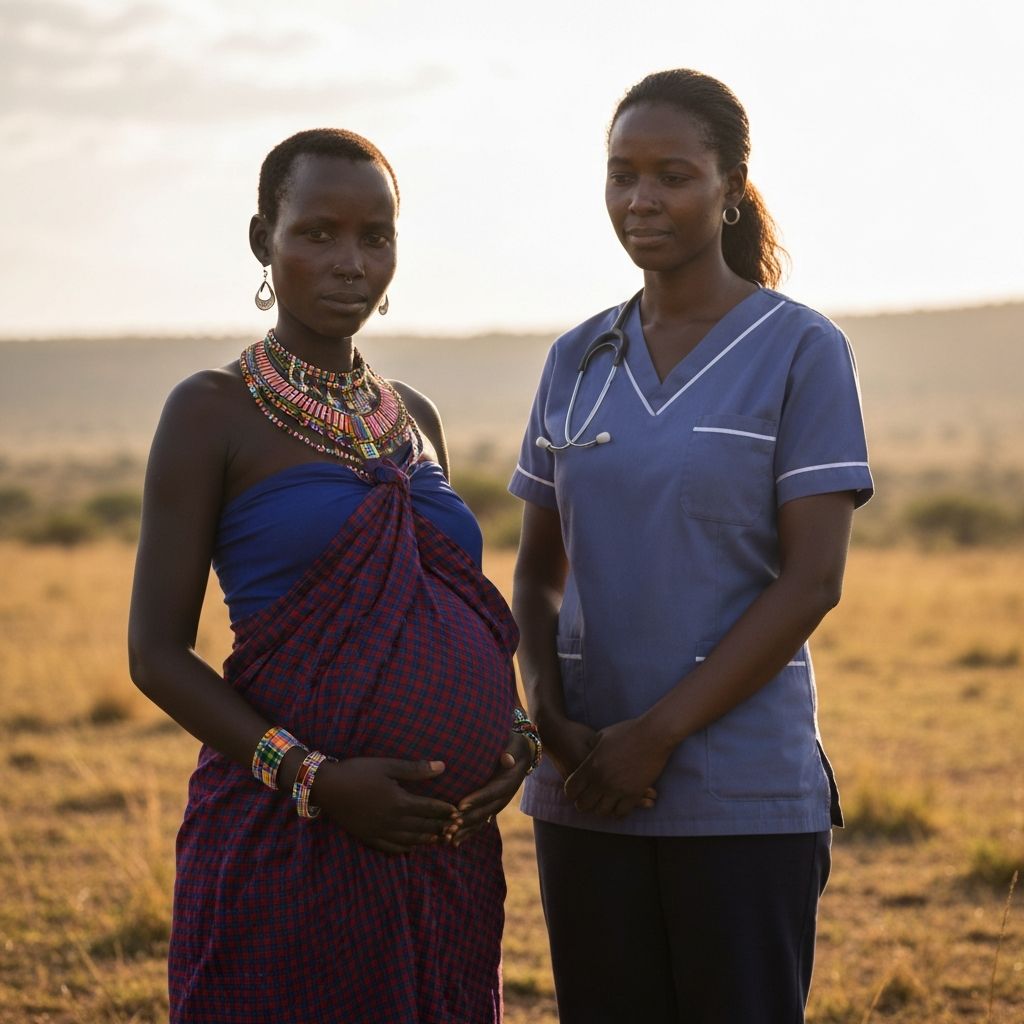
In Narok County, what should be joy becomes a struggle for survival
Women travel for days on bumpy roads to reach clinics, only to find facilities without medical personnel, medicines, or running water. More than 60% of births happen at home without skilled attendants. These are preventable tragedies rooted in distance, cultural barriers, and systemic neglect.
522
Maternal deaths per 100,000 births
Narok County's maternal mortality rate is far higher than Kenya's national average of 355.
40-80 km
Distance to the nearest hospital
Pastoralist families often live hours from health facilities, on roads that become impassable during rainy season.
17.5%
Births to adolescent mothers
The highest rate in Kenya. Girls married young face heightened risks of obstructed labor and complications.
29.6%
Complete prenatal care
Fewer than one in three pregnant women in Narok complete the recommended four prenatal visits.
Our Solution
A transitional shelter: The bridge between home and hospital
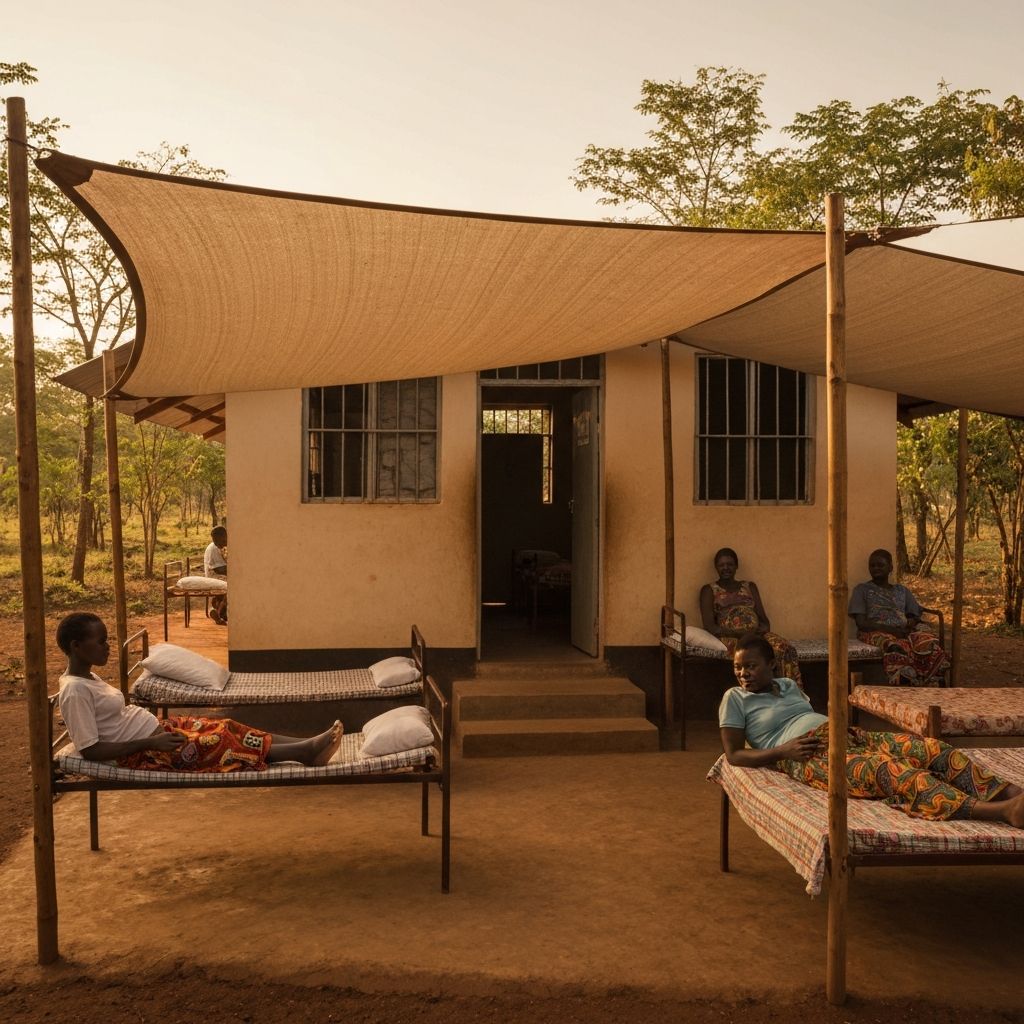
The eNashipae Circle of Care is building a transitional maternal shelter in Ewaso Ngiro, Narok County. This is not a hospital—it's a safe, culturally sensitive home-away-from-home where up to eight high-risk or late-term pregnant women can stay during the final weeks of pregnancy.
Here, women are gently monitored by nursing staff, learn about birth preparedness, receive basic care, and in emergencies, are swiftly referred to nearby facilities. The shelter includes communal cooking areas for traditional foods and space for women to rest, share stories, and bond.
Evidence shows maternal waiting homes cut maternal deaths by roughly 80% and stillbirths by 70% in resource-limited settings.
Five Pillars of Care
Early Screening
Nurses identify warning signs before they become emergencies
Rest & Monitoring
Women rest while awaiting delivery, breaking the cycle of exhausting journeys
Respectful Education
Nutrition, birth planning, and newborn care taught in local languages
Postpartum Care
Follow-up check-ups and referrals for mother and baby
Community Outreach
Health workers engage villages to encourage early prenatal visits
How It Works
A simple journey to safety
Our model is straightforward: bring mothers closer to care before labor begins, so that when the moment comes, they're already safe.
Arrive Early
Women in their final weeks of pregnancy—especially adolescent mothers, first-time mothers, and those with warning signs—arrive for stays of 3 to 14 days.
Rest & Monitor
Nursing staff monitor vital signs like blood pressure and fetal heartbeat. Women rest away from exhausting labor, eat nutritious meals, and attend health education sessions.
Safe Delivery
When labor begins, pre-arranged transport and 24/7 communication links ensure women reach Narok County Referral Hospital or nearby facilities in time.
Follow Up
After delivery, mothers receive postnatal check-ups. High-risk cases are followed up at home within two weeks, ensuring no mother slips through the cracks.
Our Founder
From lived experience to lifesaving action
Silvia Nashipae
Founder, eNashipae Circle of Care
eNashipae Circle of Care is a grassroots nonprofit organization rooted in the lived realities of pastoralist women and girls. It was founded by Nashipae, a registered nurse who grew up in Narok County before pursuing advanced training and practice in the United States.
Her life trajectory—from a young girl navigating barriers to education and healthcare, to a healthcare provider advocating for community-based solutions—serves as both the foundation and inspiration for the organization.
Through her personal and professional lens, Nashipae witnessed the preventable tragedies that continue to affect women in her community: adolescent girls married before their bodies are ready for childbirth, mothers laboring in isolation without skilled support, and delays in reaching health facilities that turn manageable complications into fatal outcomes.
"Our mission: to protect and empower pastoralist women and girls through improved access to maternal healthcare, community-led education, and safe transitional shelters—so that no woman dies giving life, and no girl grows up without choices."
Real Stories
"I arrived at the shelter tired, but I left with my baby in my arms"
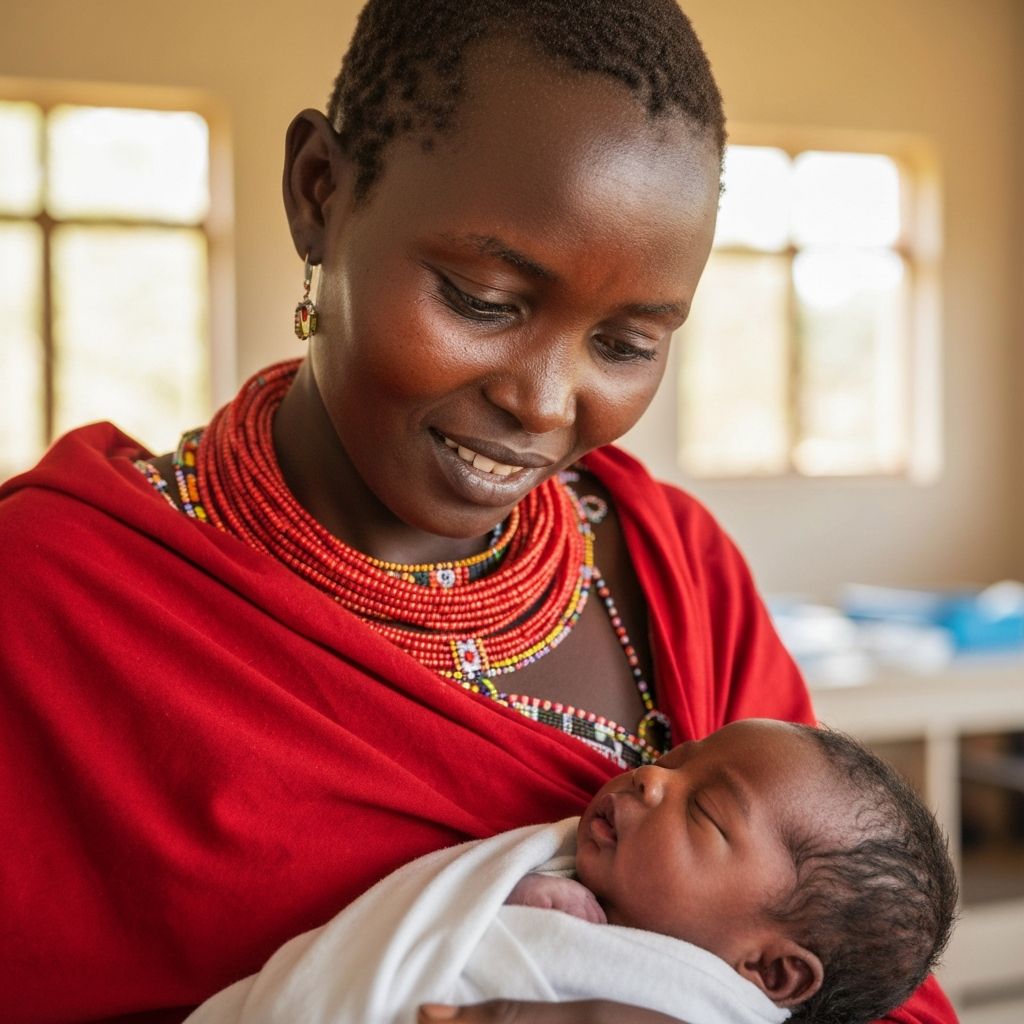
I walked for three hours to reach the shelter when I was 38 weeks pregnant. The nurses welcomed me and I rested for five days. When my pains started in the night, I just walked to the clinic next door. My daughter Amara was born safely at sunrise. Without the shelter, I would have been on the road when she came. I don't want to think about what could have happened.
Year One Goals
Our first-year targets
With your support, the eNashipae transitional shelter will make a measurable difference for mothers in Narok County within its first year of operation.
200-250
Women Served
Pregnant women receiving observation, stabilization, and timely referrals
100
High-Risk Pregnancies
Women with complications stabilized before they become emergencies
1,500+
Community Members
People reached through health education, including men and family caregivers
80
Safe Facility Births
Women who deliver safely at hospitals with skilled attendants
Your Impact
Every gift brings a mother closer to safety
Your donation directly funds the care, shelter, and support that makes safe childbirth possible for mothers who would otherwise face impossible journeys.
$15
provides one night's stay
A safe place to sleep with clean bedding and security
$25
feeds a mother for one week
Nutritious meals to support mother and baby's health
$50
covers prenatal checkups
Regular health monitoring during the waiting period
$500
supports one full stay
Complete care from arrival through safe delivery
Our Approach
Four strategic pillars form a circle of care
We work at the crossroads of health and human dignity. Our program integrates clinical services with social change, where healthcare access reinforces community education, and women's empowerment sustains the entire system.
Safe Transitional Shelters
Providing caring transitional housing and basic medical stabilization for pregnant women too far from formal health facilities to access timely care.
Healthcare Access
Collaborating with local government and health facilities to improve early detection of complications, facilitate emergency referrals, and ensure continuous care.
Community Education
Raising awareness through storytelling and group education in local dialects—covering birth preparedness, nutrition, and respectful care—engaging men and elders so entire families support mothers.
Women's Empowerment
Teaching skills and encouraging leadership. A women's cooperative for beadwork and crafts will help cover operating costs and empower women economically.